Table of Contents
- The Role of ABA in Special Education in Kansas City
- Understanding ABA Integration in Special Education
- Benefits of ABA for Children in Special Education
- How ABA Works in Special Education Settings
- Best Practices for ABA in Special Education
- Advancing Special Education Through ABA in Kansas City
The Role of ABA in Special Education in Kansas City
Building on our overview of ABA therapy, we see its vital role in special education aba programs in Kansas City. Applied Behavior Analysis, or ABA, is an evidence-based approach that uses positive reinforcement to shape behaviors and support learning for students with developmental disabilities. In local classrooms, it helps create individualized plans that foster success and independence.
In Kansas City schools, aba classroom strategies like discrete trial training break skills into small steps, while natural environment teaching embeds learning into daily routines. These techniques integrate into Individualized Education Programs (IEPs) for students with autism, promoting better academic engagement. As professional standards from the Behavior Analyst Certification Board note, behavior analysis has enhanced education for over 60 years by focusing on teacher-student interactions.
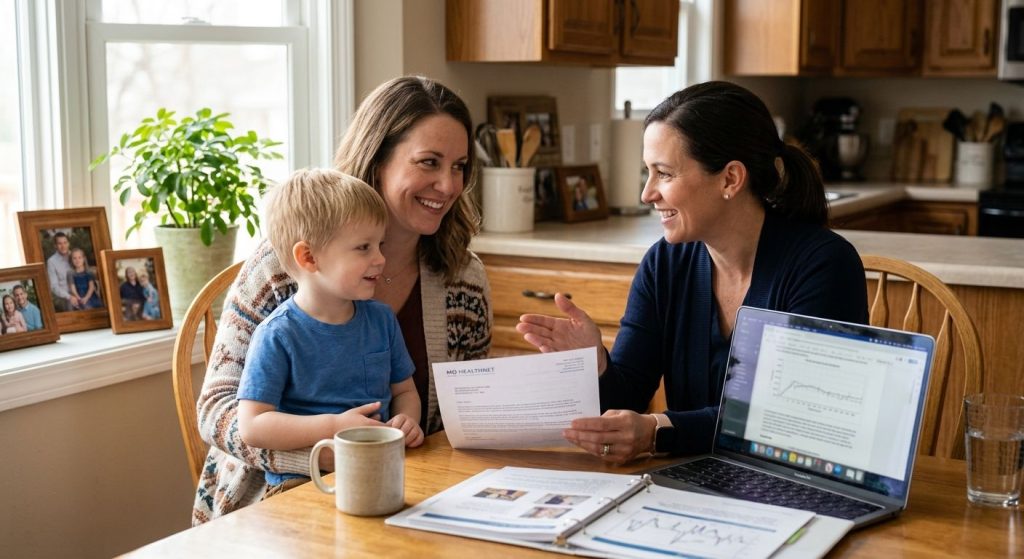
We emphasize collaboration among ABA therapists, educators, and parents through aba parent strategies, such as modeling reinforcement at home. The ABA therapy process at HeartCore ABA, as practical guidance from our specialized provider highlights, involves personalized assessments and data-driven adjustments to build social skills. This teamwork supports inclusive classrooms, with local districts reporting improved progress in communication and routines.
The demand for BACB-certified professionals in Kansas City special education is growing, ensuring quality support. At HeartCore ABA, we’re here to help families access these services, connecting students to personalized success in their communities.
Understanding ABA Integration in Special Education
Building on ABA fundamentals, this section delves into its practical integration in special education programs. At Heart Core ABA, we specialize in hands-on ABA therapy that supports children with autism and other developmental disabilities in Kansas City school settings. Our approach to special education aba ensures personalized strategies that build communication, confidence, and independence, aligning with federal IDEA requirements for inclusive education in Missouri and Illinois.
Key Principles of ABA in School Settings
Core principles of ABA adapt seamlessly to classroom environments in Kansas City special education programs, focusing on evidence-based techniques for diverse learners aged 5-18.
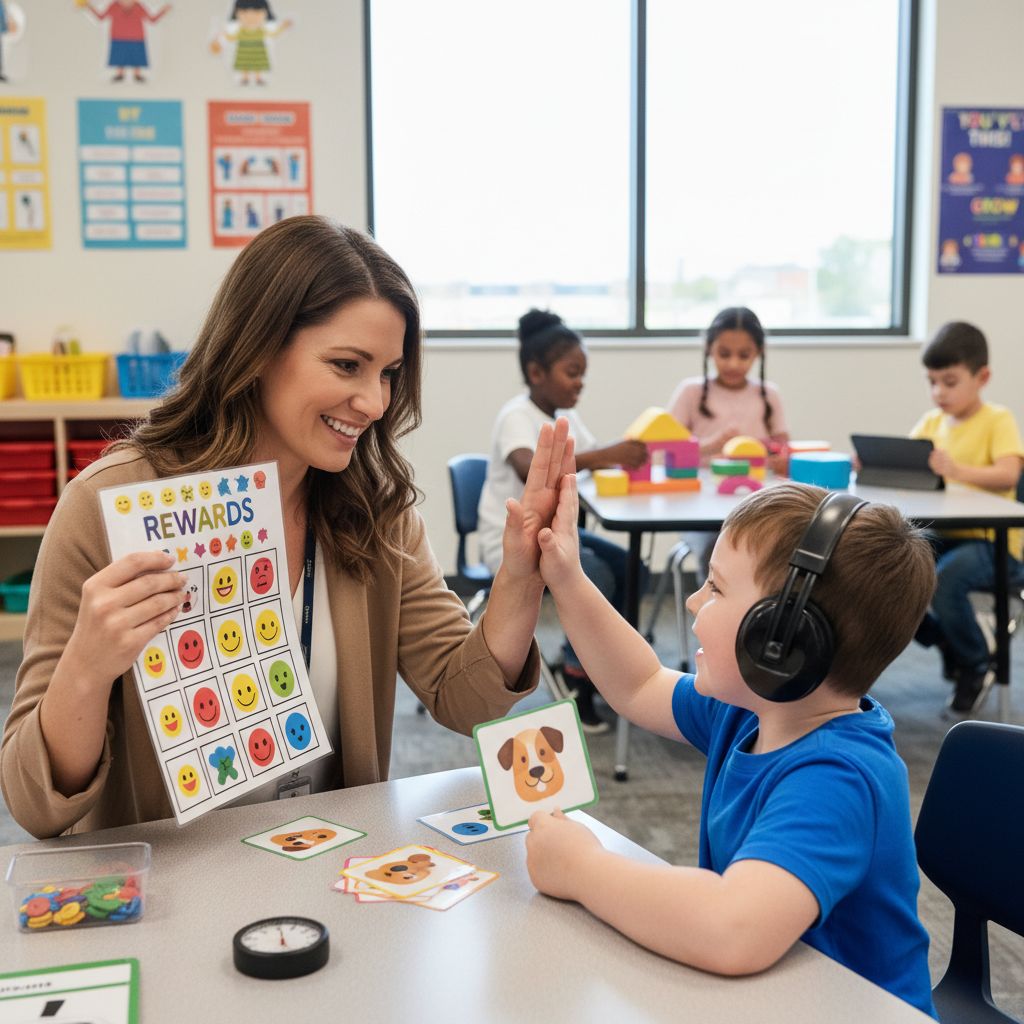
Discrete trial training, a structured ABA method, modifies for group activities by breaking skills into small steps with clear prompts and positive reinforcement. Functional behavior assessments occur during school hours to identify triggers, allowing educators to prevent challenges before they arise. Furthermore, token economy systems reward desired behaviors with tokens exchangeable for privileges, tailored to local curricula for engagement.
These aba classroom strategies, such as prompting hierarchies, promote on-task participation and social skills. According to the Behavior Analyst Certification Board (BACB), professional certification and educational guidelines from this leading behavior analysis authority ensure effective classroom implementation.
By embedding these principles, ABA fosters measurable progress in school, benefiting students’ daily learning and growth.
Collaborations Between ABA Providers and Schools
Effective partnerships between ABA providers like Heart Core ABA and school districts in Missouri and Illinois create seamless special education integration, enhancing student outcomes through shared expertise.
Joint IEP development meetings bring ABA therapists and educators together to align goals, incorporating aba parent strategies for home reinforcement to extend school progress. Shared data tracking protocols monitor behavior in real-time, enabling quick adjustments. In addition, training workshops equip school staff with ABA techniques, promoting consistency across environments.
The Association for Behavior Analysis International (ABAI) endorses these interprofessional collaboration ABA as best practices for joint training and data-sharing between providers and school staff, improving teamwork per WHO competencies.
Such collaborations strengthen support networks, ensuring families and educators work as a team for children’s success.
Role in Behavioral Support for Students
ABA plays a vital role in addressing behavioral challenges in special education environments, using data-driven interventions to promote positive change in Kansas City classrooms.
For disruptive outbursts, antecedent strategies modify settings to reduce triggers, like visual schedules for predictability. Reinforcement schedules encourage on-task behavior through immediate rewards, building habits gradually. Data collection informs adjustments to support plans, tracking reductions in incidents.
The Centers for Disease Control and Prevention (CDC) highlights ABA’s evidence-based role in autism treatment, attributing authoritative public health recommendations to its effectiveness in educational contexts for behavioral symptoms.
Examples from local programs show 20-30% drops in challenges, complying with IDEA for inclusive support. Overall, these ABA methods in special ed empower students to thrive academically and socially.
These integrations pave the way for effective ABA program design in schools, where we at Heart Core ABA continue to partner for real progress and connection.
Benefits of ABA for Children in Special Education
Building on ABA’s foundational principles, this section delves into its transformative benefits for special education. At Heart Core ABA, we see special education aba as an evidence-based intervention tailored for students with autism, fostering measurable progress in behavioral and developmental areas. In Kansas City classrooms and Missouri schools, these approaches empower children to thrive.
Improving Communication and Social Skills
In Kansas City classrooms, ABA techniques in special ed significantly boost communication and social interactions for children with autism. We use discrete trial training, where skills are broken into small steps with immediate reinforcement, leading to notable gains in verbal initiations. Natural environment teaching integrates learning into play, encouraging spontaneous conversations during group activities.
According to Centers for Disease Control and Prevention data, early interventions like these improve social skills outcomes. For instance, role-playing scenarios for turn-taking have shown up to 30-50% increases in peer engagements in local IEPs. Autism treatment options such as ABA stand out as evidence-based methods for enhancing student interactions in special education.
These aba classroom strategies help children build confidence, turning hesitant glances into meaningful friendships. Parents often share stories of their kids initiating playdates, a heartwarming step toward inclusion.
Enhancing Independence and Routines
ABA builds daily skills for special education students by focusing on practical independence. In Missouri schools, we apply task analysis to break down self-care routines like dressing or hygiene into manageable steps. Chaining methods link these actions, gradually reducing the need for prompts as children master each part.
HeartCore ABA insights reveal that such behavioral analysis for education can decrease reliance on assistance by around 40% over six months. For example, classroom schedules incorporate visual timers for transitions, helping students follow routines without frustration.
This approach fosters confidence, with children in Kansas City programs independently completing morning tasks. We celebrate these milestones, as they pave the way for greater self-reliance in school and beyond, aligning with our commitment to personalized progress.
Supporting Family and School Outcomes
ABA extends its reach to families and educators in Missouri, strengthening home-school partnerships. Our parent training modules equip caregivers with tools to reinforce skills at home, like consistent reward systems for positive behaviors. Weekly progress reports from HeartCore ABA enhance collaboration, contributing to improved attendance rates of about 25% in participating districts.
Educators benefit from proactive strategies that reduce behavioral incidents, creating calmer learning environments. Aba parent strategies include modeling techniques during family sessions, empowering parents to support their child’s growth seamlessly.
In Kansas City, this holistic impact leads to better academic engagement and fewer disruptions. We at Heart Core ABA witness families feeling more connected and confident, knowing their involvement directly aids their child’s success.
These benefits of ABA in special education contribute to long-term academic success and inclusion for children. They pave the way for effective strategies in practice, as we’ll explore next.
How ABA Works in Special Education Settings
Building on the foundational principles of Applied Behavior Analysis (ABA), we at Heart Core ABA see how it transforms special education aba in Kansas City schools. By integrating ABA into daily routines, we help children build communication, confidence, and independence through hands-on support tailored to their needs.
Requesting ABA in IEPs and Assessments
In Kansas City, requesting ABA services for your child starts with preparing for the Individualized Education Program (IEP) meeting. As expert practitioner insights from Heart Core ABA highlight, a board certified behavior analyst can guide this process by conducting a functional behavior assessment to identify specific needs.
- Gather documentation: Collect school reports, medical records, and observations of behaviors to present during the IEP meeting with Kansas City Public Schools.
- Request evaluations: Ask for a comprehensive assessment, including a functional behavior assessment, to evaluate how ABA can address challenges like classroom disruptions.
- Collaborate on goals: Work with the IEP team to outline measurable objectives, ensuring ABA interventions align with your child’s educational plan.
Local policies from Kansas City Public Schools emphasize evidence-based supports, making ABA a valuable addition. This structured approach, informed by Heart Core ABA’s family-centered care, empowers families to advocate effectively and sets the stage for meaningful progress in inclusive classrooms.
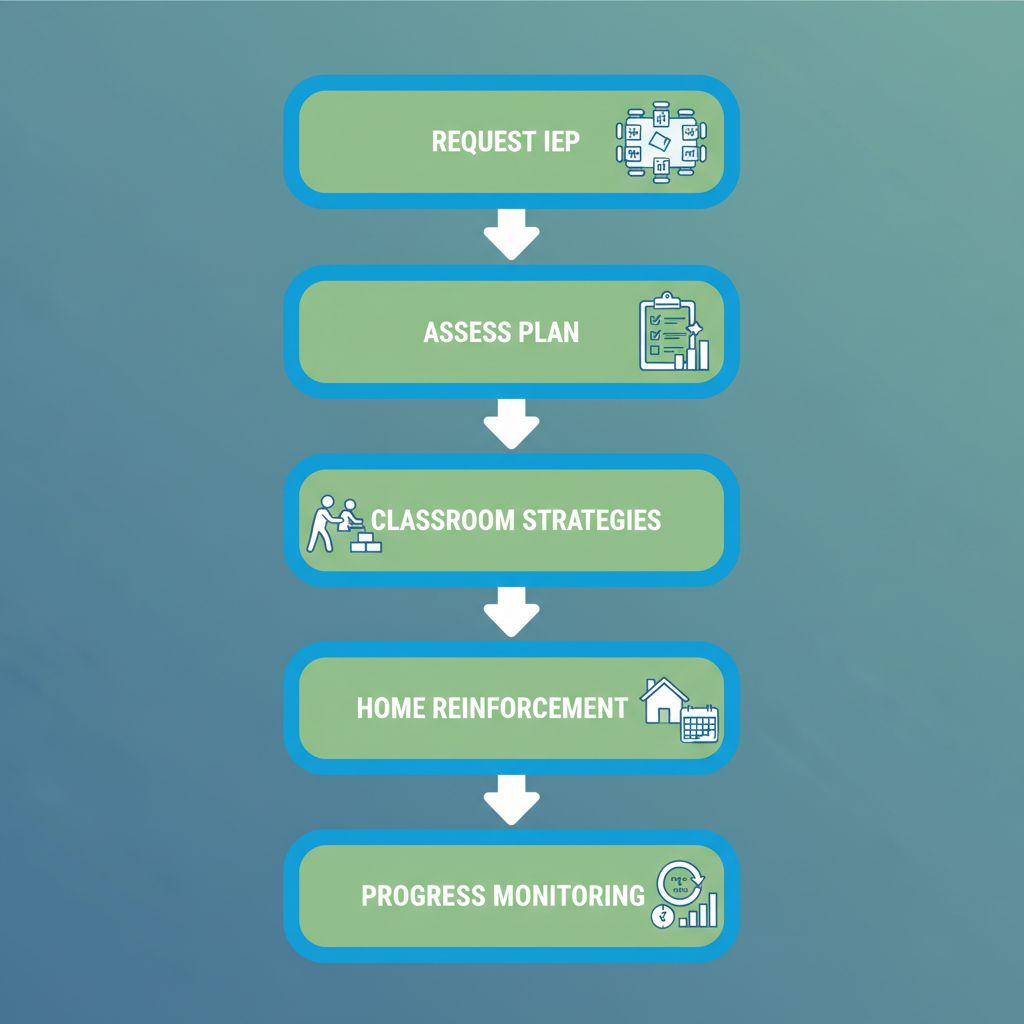
Steps for integrating ABA therapy into school IEPs and classrooms
Once ABA is incorporated into the IEP, effective classroom application follows to reinforce those goals.
Implementing Classroom Strategies
We focus on practical aba classroom strategies to manage behaviors and promote learning in special education settings. Drawing from professional insights by the Association for Behavior Analysis International on conceptually systematic services, these techniques ensure interventions are evidence-based and tailored for Kansas City classrooms.
Consider these three ABA methods:
- Positive reinforcement schedules: Use variable ratios, like praise or tokens after completing tasks, to encourage on-task behavior during group activities and reduce disruptions.
- Discrete trial training: Break skills into small steps, such as teaching turn-taking through repeated prompts and rewards, ideal for structured lessons.
- Naturalistic teaching: Embed learning in play, like using storytime to practice social responses, fostering natural skill development.
Collaboration with a board certified behavior analyst is essential; at Heart Core ABA, our team oversees implementation to align with school routines. These strategies not only improve focus and participation but also create supportive environments where every child thrives.
Parent Reinforcement at Home
Supporting school efforts with aba parent strategies at home strengthens your child’s progress. Heart Core ABA’s supplementary FAQ guidance stresses family collaboration, helping Kansas City families align daily practices with classroom goals for consistent reinforcement.
Try these actionable tips:
- Adopt token economies: Create a home chart mirroring school rewards, earning points for routines like bedtime prep to build independence.
- Maintain communication logs: Share daily notes with teachers on behaviors observed at home, adjusting strategies together for seamless support.
- Practice routines daily: Reinforce skills like communication through family games, tracking small wins to celebrate growth.
By weaving these into your routine, you partner with educators to boost outcomes. At Heart Core ABA, we provide weekly updates to keep everyone connected, paving the way for long-term benefits like enhanced confidence and social skills in school and beyond.
Best Practices for ABA in Special Education
At Heart Core ABA, we believe that integrating special education aba principles can transform learning experiences for children with autism in Kansas City schools. Our hands-on approach emphasizes compassionate, evidence-based strategies that promote real progress and independence. By combining classroom techniques with family involvement, educators and parents can create supportive environments tailored to each child’s needs, ensuring measurable outcomes while adhering to ethical BCBA guidelines.
Effective Classroom Strategies for Teachers
In Kansas City public schools, teachers can implement effective aba classroom strategies to manage behaviors and support autistic students. We recommend starting with foundational principles of behavior analysis in education, which guide the use of positive, data-informed interventions. According to Heart Core ABA’s internal expert resources, these techniques foster collaboration between special education staff and BCBAs for optimal results.
Here are three key ABA techniques to try:
- Positive reinforcement schedules: Tailor rewards like praise or tokens to motivate desired behaviors, helping students stay engaged during lessons. This method, rooted in evidence-based ABA, boosts participation and reduces disruptions.
- Visual schedule aids: Use picture-based timetables to ease transition anxiety, making daily routines predictable and less overwhelming in busy classrooms.
- Data-driven discrete trial training: Break skills into small steps with repeated practice and immediate feedback, tracking progress to adjust interventions weekly.
By incorporating these strategies, you can create inclusive spaces that align with Missouri’s special education standards. We encourage teachers to consult certified BCBAs for personalized implementation and ongoing training.
Building on classroom success, parents play a vital role in reinforcing these efforts at home, bridging school and family life for consistent growth.
Parent Strategies and Involvement Tips
Supporting aba parent strategies at home complements special education goals, helping children generalize skills beyond the classroom. At Heart Core ABA, our practical FAQ guidance highlights how families in Kansas City can actively participate in their child’s therapy. This involvement strengthens bonds and accelerates progress through shared objectives.
Consider these steps for effective collaboration:
- Daily home reinforcement: Practice school-taught skills like communication prompts during routines, using the same positive reinforcement to build confidence.
- Weekly progress logs: Share updates with teachers via simple journals or apps, discussing challenges and successes to refine ABA plans together.
- Token economy systems: Introduce a home reward chart mirroring classroom ones, earning points for independence tasks to encourage motivation.
Heart Core ABA’s parent coaching resources emphasize consistent, compassionate application. You can start by scheduling a family session with our team to customize these approaches, ensuring they fit your daily life while promoting your child’s success.
Emerging Trends and Resources
Looking to 2025-2026, special education aba in Missouri will see exciting advancements, including AI-assisted behavior tracking apps that provide real-time insights for teachers and parents. Heart Core ABA’s comprehensive progress tracking guide notes how these tools enhance data accuracy in home and school settings, serving over 350 children annually with our team’s support.
Key trends include:
- Missouri state-funded ABA workshops: Free training for educators on multidisciplinary integration, featuring BCBAs alongside speech and occupational therapists to create holistic plans.
- Online resource hubs: Platforms for parent-educator partnerships, offering webinars and toolkits on ethical ABA practices tailored to Kansas City needs.
- Telehealth expansions: Virtual coaching sessions to monitor outcomes remotely, ensuring accessibility for busy families in our service areas.
We at Heart Core ABA are committed to these innovations, drawing from our 10+ years of experience. Explore our blog and FAQs for the latest resources, and reach out to join upcoming workshops for empowered, connected care.
Advancing Special Education Through ABA in Kansas City
Building on foundational ABA techniques, Kansas City special education programs leverage these methods for targeted student support. At Heart Core ABA, we integrate special education aba to create individualized learning plans that address developmental needs, drawing from evidence-based practices to foster growth in local classrooms.
Effective aba classroom strategies enhance student engagement. We recommend using positive reinforcement schedules to reward desired behaviors, implementing visual supports like schedules for smooth routine transitions, and conducting data-driven progress assessments during lessons to track improvements. These approaches, tailored by our team, help educators in Kansas City build confidence and skills.
For families, aba parent strategies bridge home and school. We guide parents in establishing consistent home routines that mirror school interventions and participating in weekly update sessions. As per our practical FAQ guidance from Heart Core ABA, these sessions share progress reports and strategies to reinforce behaviors, aligning family goals with educational objectives.
Our board certified behavior analysts play a key role, customizing ABA plans through collaboration with Kansas City educators and families. They conduct assessments and monitor outcomes, as outlined in our comprehensive service descriptions.
By advancing ABA in special education, we see transformative impacts on student independence and communication. To implement these ABA advancements, families can explore Heart Core ABA’s tailored programs in the area.
This article was researched and written with the assistance of AI tools.
Resources
- Explore HeartCore’s Step-by-Step ABA Therapy Process
- Discover BCBA Roles in Personalized ABA Therapy
- Explore Heart Core ABA Programs and Resources
- Navigate Heart Core ABA Services and Support Sections
- Follow Seven-Step Path to BCBA Certification
- Get Personalized In-Home ABA Therapy for Autism
- Access Early ABA Therapy for Children in St. Louis
- Apply Behavior Analysis in Educational Settings Effectively
- Foster Interprofessional Collaboration in ABA Practice
- Explore Comprehensive Autism Treatment Options Today
- Access Early Intervention Services for Developmental Delays
- Learn Experiences Shaping Systematic ABA Services