







school based aba therapy programs – Resources
School Based ABA Therapy Programs: Essential Parent Guide
Navigating the intersection of specialized developmental support and the traditional classroom environment is a significant journey for many families managing an autism diagnosis. As children reach school age, the need for consistent behavioral support often necessitates a transition from exclusively home-based settings to more integrated educational environments. This shift is where School Based ABA Therapy Programs become a vital resource, bridging the gap between clinical intervention and academic progress. By bringing evidence-based Applied Behavior Analysis directly into the classroom, these programs ensure that children receive the support they need to thrive socially and academically alongside their peers. Understanding how these services function within the educational framework is essential for parents seeking to maximize their child’s potential through comprehensive, multi-environment care.
The Advantages of Specialized Behavioral Support in the Classroom
Enrolling a child in School Based ABA Therapy Programs offers a unique set of advantages that are difficult to replicate in a clinic-only setting. The primary benefit is the ability to address behavioral challenges in the exact environment where they occur most frequently. When a child receives in school aba therapy, the clinician can observe social dynamics, sensory triggers, and academic frustrations in real-time, allowing for immediate intervention and skill reinforcement. This proximity ensures that the transition between therapy and learning is seamless, helping the child generalize new skills across different settings. Furthermore, this integrated approach reduces the fatigue often associated with attending therapy sessions after a full school day, as the therapeutic work is woven into the child’s natural daily schedule.
Aligning Therapeutic Goals with Individualized Education Programs
One of the most critical aspects of implementing aba therapy at school is the seamless coordination between clinical goals and the student’s existing Individualized Education Program (IEP). An IEP serves as the legal and functional roadmap for a child’s special education, and any external behavioral services must complement these established objectives rather than conflict with them. Clinicians working within School Based ABA Therapy Programs attend IEP meetings to ensure that the behavioral strategies used in 1:1 sessions align with the classroom’s academic expectations. By collaborating on specific benchmarks, the clinical team and the school district can create a unified front that addresses both the child’s behavioral needs and their educational requirements, ensuring that every hour spent in the classroom is optimized for growth.
Navigating Funding and Insurance for Educational Settings
A common concern for families is whether School Based ABA Therapy Programs are covered by their existing healthcare plans. Fortunately, most major private insurance providers and Medicaid recognize the medical necessity of these services, even when delivered in a school setting. The process typically involves a detailed verification of benefits to ensure the specific location is authorized under the policy. Clinical providers often manage the complex task of coordinating prior authorizations and billing, allowing parents to focus on their child’s progress. In cases where insurance may not cover the full scope of in-school support, some organizations offer private-pay options to bridge the gap, ensuring that the child does not experience a lapse in necessary behavioral intervention due to administrative hurdles.
Professional Credentials and School Safety Standards
For school based aba therapy to be effective and legally compliant, it must be delivered by credentialed professionals who meet both clinical and educational safety standards. This typically involves a team led by a Board Certified Behavior Analyst (BCBA) who designs the program and supervises Registered Behavior Technicians (RBTs). These technicians are the ones providing the direct, hands-on support throughout the day. Beyond their clinical certifications, these professionals must also satisfy school district requirements, including background checks and adherence to specific campus protocols. This dual layer of oversight ensures that the therapy provided is of the highest clinical quality while remaining respectful of the school’s unique environment and safety regulations.
Fostering Collaborative Partnerships with Classroom Teachers
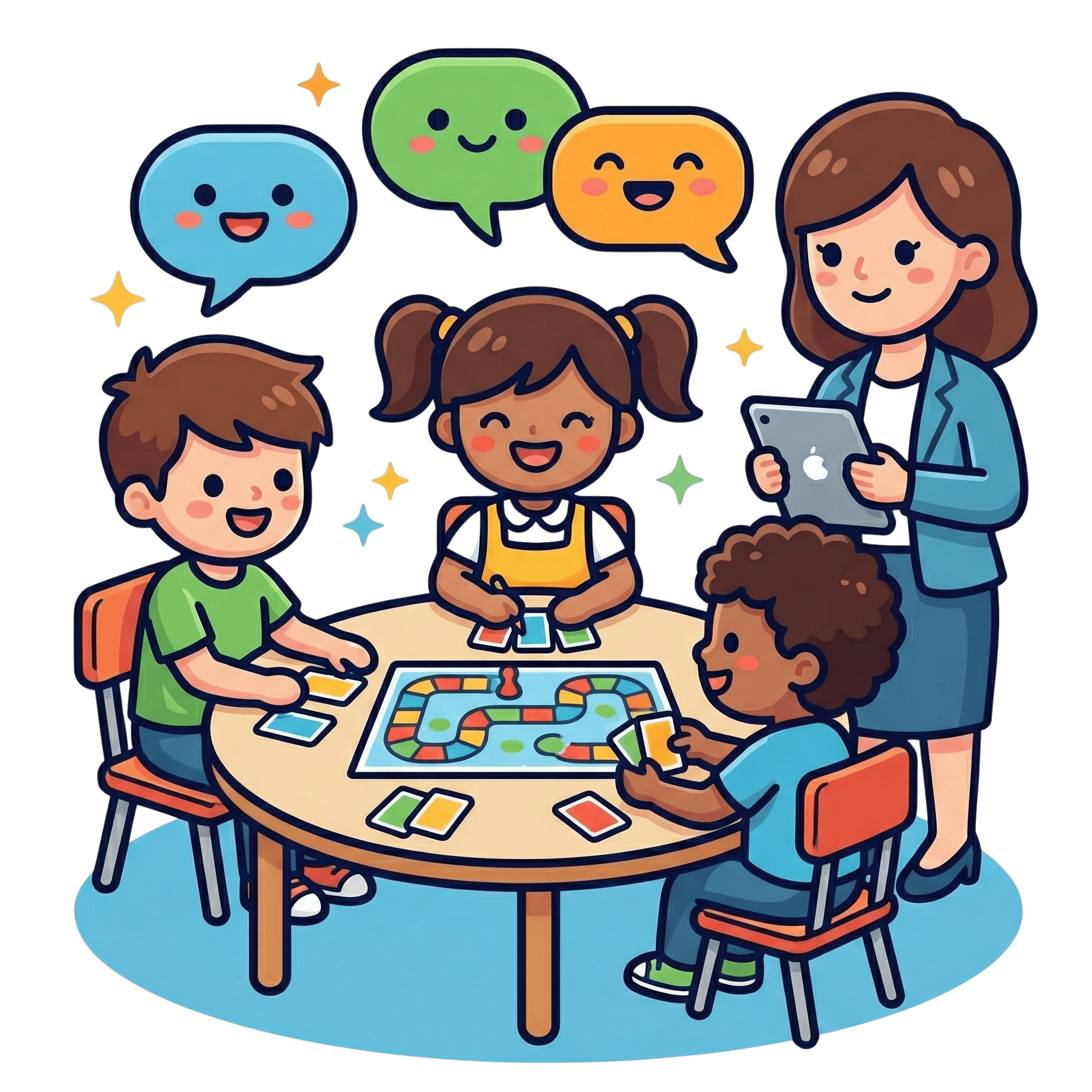
The success of school based aba therapy hinges heavily on the strength of the relationship between the therapist and the classroom teacher. Rather than operating in a vacuum, therapists in School Based ABA Therapy Programs act as partners to the teaching staff, sharing insights into the child’s behavioral triggers and successful reinforcement strategies. This collaboration allows the teacher to manage the classroom more effectively while the therapist provides the intensive 1:1 support the child requires. Through regular communication and shared data collection, the team can adjust strategies as the child progresses, ensuring that the classroom becomes a place of empowerment rather than one of frustration. This synergy ultimately benefits the entire classroom ecosystem by creating a more stable and predictable learning environment.
Criteria for Selecting the Right Educational Behavioral Program
When families are faced with the task of choosing between various School Based ABA Therapy Programs, several criteria should guide their decision. First, the program’s history of successful collaboration with local school districts is paramount; a provider that understands the nuances of Missouri or Illinois educational systems will navigate the integration process more smoothly. Parents should also inquire about the frequency of BCBA supervision and the specific training RBTs receive regarding classroom etiquette. Additionally, the ability of the program to offer a continuum of care—including home-based and social skills groups—ensures that the child’s needs are met even outside of school hours. A program that prioritizes family collaboration and transparent data sharing will ultimately provide the most cohesive support for the child’s long-term development.
Integrating Behavioral Success into Long-Term Academic Achievement
The integration of School Based ABA Therapy Programs represents a transformative approach to special education, where clinical expertise and academic instruction work in harmony. By utilizing in school aba therapy, families can ensure that their children are not just present in the classroom, but are actively participating and meeting their developmental milestones. The coordination between therapists, teachers, and administrators creates a robust support network that addresses the child as a whole person. Whether through navigating insurance complexities or aligning with an IEP, the focus remains on providing consistent, high-quality care. Ultimately, the presence of aba therapy at school empowers children with autism to navigate their social and academic worlds with confidence, laying a firm foundation for their future success and independence within their communities. The commitment to measurable skill development and family partnership ensures that every child has the opportunity to reach their full potential in the most inclusive environment possible.
Additional Resources:
ABA Therapy New Jersey
CrystalCare ABA.
We provide compassionate, individualized aba therapy new jersey families can rely on for children with autism spectrum disorder or developmental delays. From the moment you begin your journey with us, your family becomes a part of our family. Our BCBA-supervised sessions take place in the comfort of your own home, focusing on play-based strategies and meaningful parent training. Our dedicated insurance specialists manage authorization details, and because we operate with no waitlist, we ensure your child receives prompt, expert support when needed. ABA Therapy New Jersey
Home Health Aide Nyc
All Heart Homecare Agency Inc


At All Heart Homecare Agency, we understand the vital importance of compassionate and proficient home health aides in NYC, an urban landscape where the comfort and care of home are paramount. Our dedicated team of certified caregivers is at the heart of our service, offering personalized assistance to the elderly and those in need of in-home support. We pride ourselves on meticulous training and stringent background checks, guaranteeing our clients receive nothing short of excellence. As we strive to anticipate and meet patient needs, our home health aides across New York City become more than just caregivers—they become extended family. home health aide nyc
Autism Services Raleigh NC
Yes ABA Therapy
866-593-7222
abatherapy.yesaba.com
Blog FAQ
We are dedicated to helping children thrive through personalized ABA therapy that builds communication, independence, and daily living skills. Providing support that helps your child grow with confidence, our team offers in-home, school-based, community, and telehealth options across our national network. We provide therapy tailored to your needs with no waitlist so you can get started today. Please consult a qualified healthcare professional or licensed behavior analyst for personalized advice. Results may vary based on individual conditions and circumstances for all families. Autism Services Raleigh NC
Family Dentistry Scarborough
At Dentistry on Ellesmere, we know how important it is to find a dental practice offering family dentistry in Scarborough. We specialize in pediatric dentistry for children ages 3-5 to help you educate your child in the proper methods of brushing and flossing so checkups are more enjoyable and more positive for you and your child. Family Dentistry Scarborough
Teeth Whitening Encino
Dental Line in Encino, California, offers a comprehensive range of professional cosmetic dentistry services designed to enhance smiles and boost patient confidence. Led by Dr. Irena Starchenko, the practice specializes in professional teeth whitening, porcelain veneers, and dental bonding, adhering strictly to American Dental Association (ADA) safety protocols. Professional teeth whitening in Encino is a top choice for residents looking to eliminate stains from coffee or aging. Using high-grade hydrogen peroxide and laser-activated bleaching, these in-office treatments provide faster, more effective, and safer results than over-the-counter kits. For more permanent or structural transformations, the practice offers custom porcelain veneers that Teeth Whitening Encino
Virtual IOP Mental Health
Compassion Recovery Centers

At Compassion Recovery Centers, we understand the importance of accessible and effective mental health treatment, which is why we are proud to offer Virtual Intensive Outpatient Program (IOP) services. Through our virtual platform, individuals can receive high-quality mental health and dual diagnosis treatment from the comfort of their own homes. Our team of experienced therapists and psychologists provide personalized care and support to help clients navigate their recovery journey in a safe and supportive environment. With our Virtual IOP Mental Health program, clients have the flexibility to attend therapy sessions and participate in treatment programs that address their unique needs Virtual IOP Mental Health










 At-Home
ABA Therapy
At-Home
ABA Therapy Best
ABA Therapists
Best
ABA Therapists BCBAs
Near Me
BCBAs
Near Me RBTs
Near Me
RBTs
Near Me