






Autism Therapy For School Readiness St Louis
Table of Contents
Preparing Children with Autism for School Through ABA Therapy in St. Louis
We at Heart Core ABA understand the excitement and challenges St. Louis families face when preparing children with autism for school. Autism therapy for school readiness in St. Louis starts with building essential skills like social interaction, self-care routines, and following classroom instructions. Our hands-on ABA therapy for children who learn differently uses play-based techniques to make learning fun and effective, easing the transition into preschool and kindergarten.
As an evidence-based approach, ABA therapy in St. Louis helps develop these foundational abilities through personalized plans led by our BCBA teams. Our services include in-home and school-based ABA therapy, detailed on our Autism Therapy Services St Louis, tailored to align with St. Louis Public Schools’ early childhood special education standards. For instance, the district stresses the importance of milestones for inclusive learning environments, and our programs support individualized education programs (IEPs) to meet those expectations. When choosing a provider, look for credentials like Board Certified Behavior Analysts and local availability to ensure seamless coordination.
Preparing autistic kids for kindergarten locally involves behavioral support for school transitions in Missouri, with options like insurance verification to make therapy accessible. We offer weekly parent updates and family coaching for real connection and care that comes straight from the heart.
In the sections ahead, explore how ABA fosters understanding, highlights benefits, guides implementation, and shares best practices for your child’s school journey. Share your experiences with us–we’re here to support St. Louis families every step.
Understanding School Readiness Skills for Children with Autism
At Heart Core ABA, we focus on helping children with autism build the foundational skills they need to thrive in school settings. School readiness goes beyond basic academics; it involves communication, self-care, and social engagement that prepare young learners for classroom routines. Through our hands-on ABA therapy for children who learn differently, we tailor programs to address autism-specific challenges, ensuring smooth transitions into St. Louis educational environments. We see many families in St. Louis benefiting from this targeted approach, which aligns with local standards and supports individualized progress.
Core Skills Developed Through ABA Therapy
Core school readiness skills for children with autism include communication, following instructions, and basic self-care, which often present unique hurdles due to sensory sensitivities or social delays. According to the CDC’s developmental milestones, by age 3, typical children engage in simple conversations and manage toilet training independently, but many on the spectrum need extra support to reach these benchmarks. Autism therapy for school readiness in St. Louis emphasizes these areas to foster confidence and independence.
ABA therapy breaks these skills into small, manageable steps using positive reinforcement and repetition. For instance, we teach communication through picture exchange systems or verbal prompts, gradually increasing complexity to match age targets from toddlers to school-age kids. Techniques like discrete trial training help with following multi-step instructions, while task analysis supports self-care routines such as dressing or handwashing. This evidence-based method ensures real progress by tracking data and adjusting plans weekly.
In St. Louis, we integrate Autism Counseling For Kids St Louis into our sessions, preparing children for local preschool demands like circle time participation. Families report noticeable gains in peer interaction after just a few months.
- Communication: Responding to name and using words for needs.
- Self-Care: Toilet training and eating independently.
- Social Engagement: Turn-taking during play.
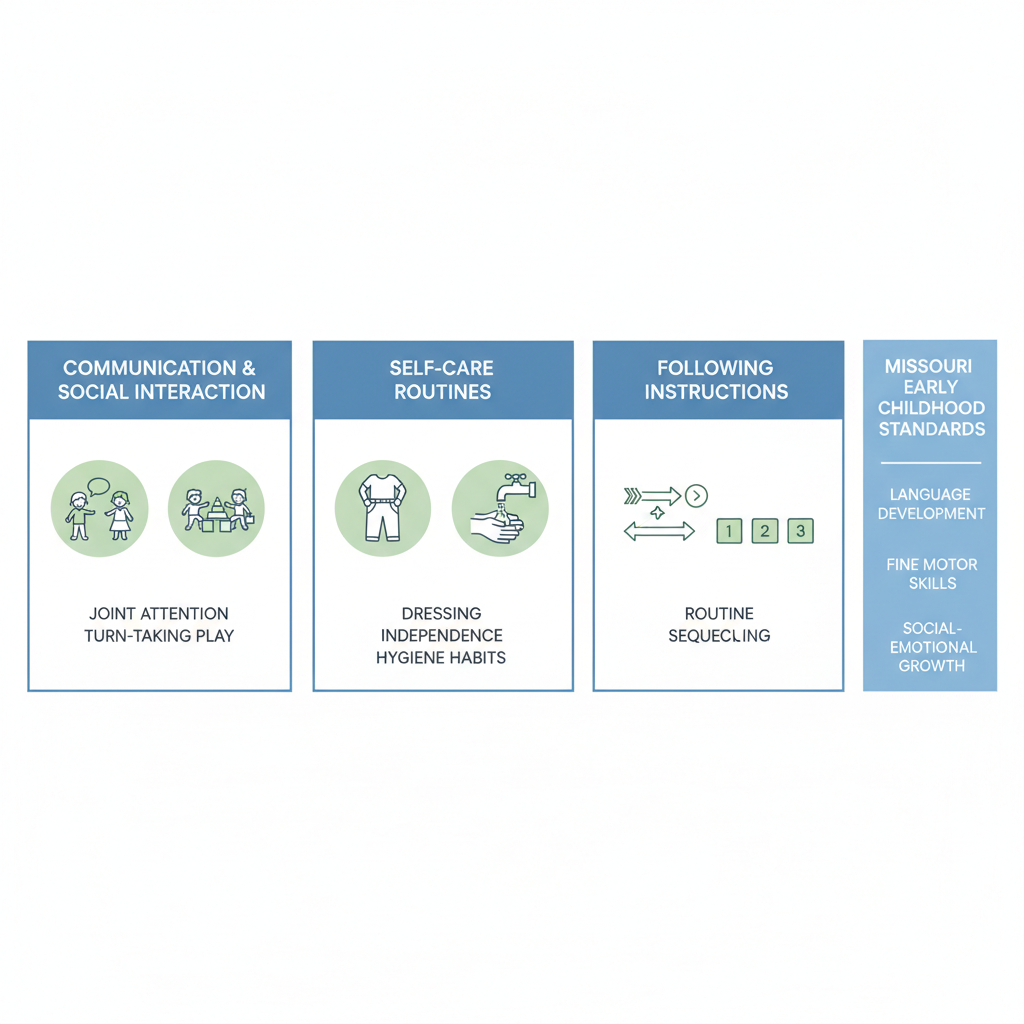
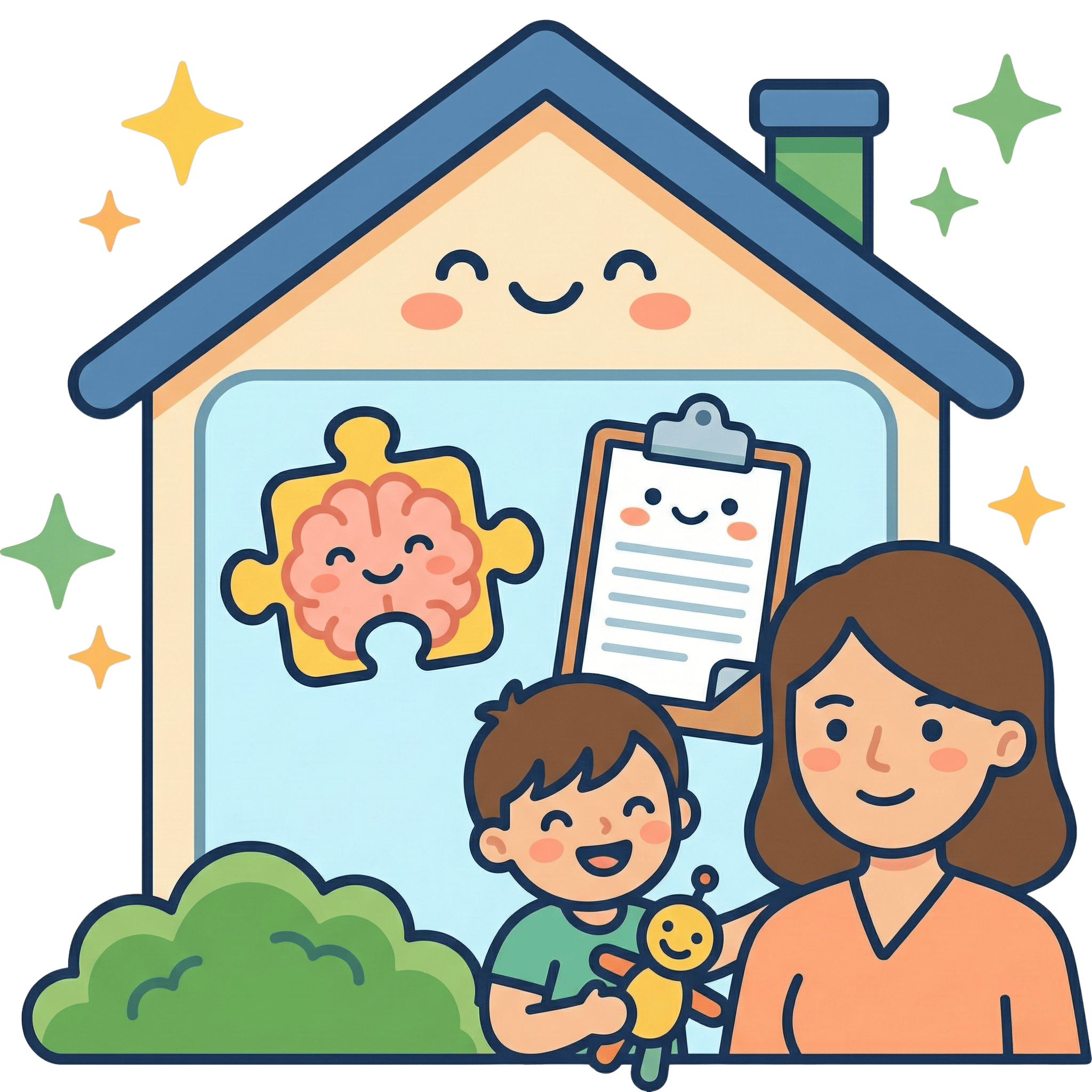
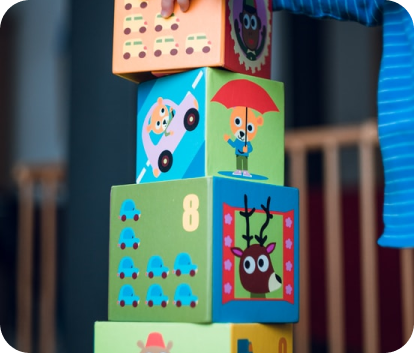
Visual guide to school readiness skills for autistic children via ABA therapy
These foundational abilities set the stage for more advanced learning, linking directly to how ABA aligns with broader educational goals.
Aligning with Local Educational Milestones
Missouri’s early childhood standards outline milestones like cooperative play and adaptive behaviors, which ABA therapy supports by customizing goals to these expectations. For children with autism, challenges in peer interaction or routine adherence can delay progress, but ABA addresses them through structured interventions. Pre-school skill development for autistic children locally focuses on these to ease kindergarten entry.
Our ABA techniques involve functional behavior assessments to identify barriers, followed by individualized plans that incorporate IEP goals. We use naturalistic teaching in everyday settings to build skills like waiting turns or transitioning between activities, aligning with CDC benchmarks for social-emotional growth. Parent coaching reinforces these at home, promoting consistency and measurable outcomes without overwhelming the child.
Through ABA therapy in St. Louis, we collaborate with the Special School District, which applies ABA principles in Missouri education to enhance inclusion. Their programs emphasize IEP integration, quoting overviews that highlight how behavioral strategies improve classroom participation for diverse learners.
- Following Instructions: Completing two-step tasks like lining up.
- Social Interaction: Greeting peers and sharing toys.
- Self-Regulation: Managing emotions during group activities.
This alignment ensures children meet local milestones, paving the way for successful school experiences and highlighting the value of early action.
Role of Early Intervention in Skill Building
Early intervention targets toddlers with autism by focusing on routines like mealtime or bedtime, which build behavioral preparation for kindergarten in Missouri. Delays in motor or cognitive areas, as noted in CDC milestones, can impact transitions, but starting young maximizes neuroplasticity for better retention.
ABA employs play-based methods, such as modeling and prompting, to develop these routines in engaging ways. For example, we introduce simple schedules with visual aids to teach predictability, gradually fading support as skills solidify. This hands-on approach, with 1:1 RBT sessions under BCBA supervision, fosters independence and reduces challenging behaviors through positive strategies.
Early intervention for autism in St. Louis through our programs helps families navigate transitions to preschool, incorporating local resources like community screenings. We provide weekly updates to track progress, ensuring care that comes straight from the heart.
- Daily Routines: Establishing sleep and hygiene habits.
- Motor Skills: Fine and gross movements for classroom tasks.
- Attention Skills: Sustaining focus on activities for short periods.
By prioritizing these early steps, we equip children with the tools for lifelong learning success.
Key Benefits of ABA Therapy for School Preparation
At Heart Core ABA, we focus on hands-on ABA therapy that builds essential skills for children with autism, making school transitions smoother in St. Louis. Our programs emphasize family collaboration and real progress through personalized plans. autism therapy for school readiness st louis plays a vital role by addressing social, independence, and academic needs early on.
Enhancing Social and Communication Skills
ABA therapy in St. Louis can significantly boost a child’s ability to navigate classroom interactions, fostering connections that last beyond therapy sessions. By targeting peer play and verbal exchanges, our approach helps children develop empathy and cooperation, key for group activities in local schools.
We use techniques like discrete trial training and natural environment teaching to practice turn-taking and sharing. For instance, during play-based sessions, a Board Certified Behavior Analyst (BCBA) guides the child through role-playing scenarios, reinforcing positive responses with immediate praise or rewards. This builds confidence in expressing needs, reducing frustration during school group work.
- Improved eye contact and greeting peers, easing entry into St. Louis classrooms.
- Better conversation skills, like asking questions, for stronger friendships.
We’ve helped many St. Louis families see these gains, with one parent noting, “My child’s first school friend came from ABA practice.” Early screening, as recommended by the CDC at 18 and 24 months, supports this by enabling timely interventions that enhance social outcomes.
Building Independence in Daily Routines
Autism therapy for school readiness in St. Louis equips children with self-care skills that promote confidence during school days. Our in-home ABA therapy teaches routines like dressing and hygiene, reducing reliance on adults and preparing kids for structured environments.
Through task analysis, we break down activities into small steps, using visual schedules and prompting to guide independence. A Registered Behavior Technician (RBT) might model buttoning a shirt, fading support as the child masters it, with data tracking progress weekly. This method aligns with school expectations, like managing bathroom breaks independently.
- Mastering morning routines for punctual arrivals at Missouri schools.
- Self-feeding during lunch, minimizing disruptions in cafeterias.
These school transition advantages for autistic kids lead to less anxiety for families, as we’ve observed in our parent coaching sessions. The CDC highlights that early detection via tools like the M-CHAT allows interventions to foster such daily skills, improving overall adaptability.
Supporting Long-Term Academic Success
Early intervention for autism in St. Louis through ABA aligns with Individualized Education Program (IEP) goals, setting the foundation for sustained learning. Our center-based and school-based ABA therapy enhances focus and basic literacy, helping children meet Missouri’s educational standards.
We incorporate pivotal response training to teach attention and following instructions, integrating academic tasks into fun activities. For example, a BCBA supervises matching letters during play, using reinforcement to encourage participation, with family training ensuring consistency at home.
- Stronger concentration for seated lessons and group instructions.
- Foundational reading skills, like recognizing sight words, for early grades.
Behavioral gains in local education can lead to better IEP outcomes, as one family shared: “Our child’s progress report improved after ABA support.” CDC data shows early interventions improve skill development, verifying insurance coverage–we assist with Medicaid and private options to make this accessible without upfront costs.
How ABA Therapy Builds Essential School Readiness Skills
At Heart Core ABA, we focus on hands-on ABA therapy for children who learn differently, helping them develop the skills needed to thrive in school. Our personalized therapy plans emphasize positive reinforcement and data-driven progress tracking, tailored through our center-based, school, and in-home programs in St. Louis. By breaking down complex behaviors into manageable steps, we foster real progress and real connections that prepare kids for academic and social success.
Techniques for Communication and Social Development
In our sessions, we use core ABA methods like discrete trial training and prompting to build communication and social skills essential for school readiness. Discrete trial training involves presenting a clear instruction, waiting for a response, and providing immediate reinforcement for correct actions. We also apply fading techniques, gradually reducing prompts to encourage independent responses. These step-by-step behavioral training locally approaches ensure children master turn-taking, eye contact, and basic conversations.
For application, consider a child practicing greetings: 1. The RBT models the behavior. 2. The child imitates with a prompt. 3. Reinforcement follows success, like praise or a preferred toy. 4. Prompts fade over time. Delivered 1:1 by our Registered Behavior Technicians under BCBA supervision, these techniques adapt for autism, promoting engagement in group settings. Early intervention for autism in St. Louis starts with assessing individual needs to customize plans.
This ABA therapy in St. Louis ties directly to school prep, equipping kids with tools for classroom interactions and reducing anxiety during transitions.
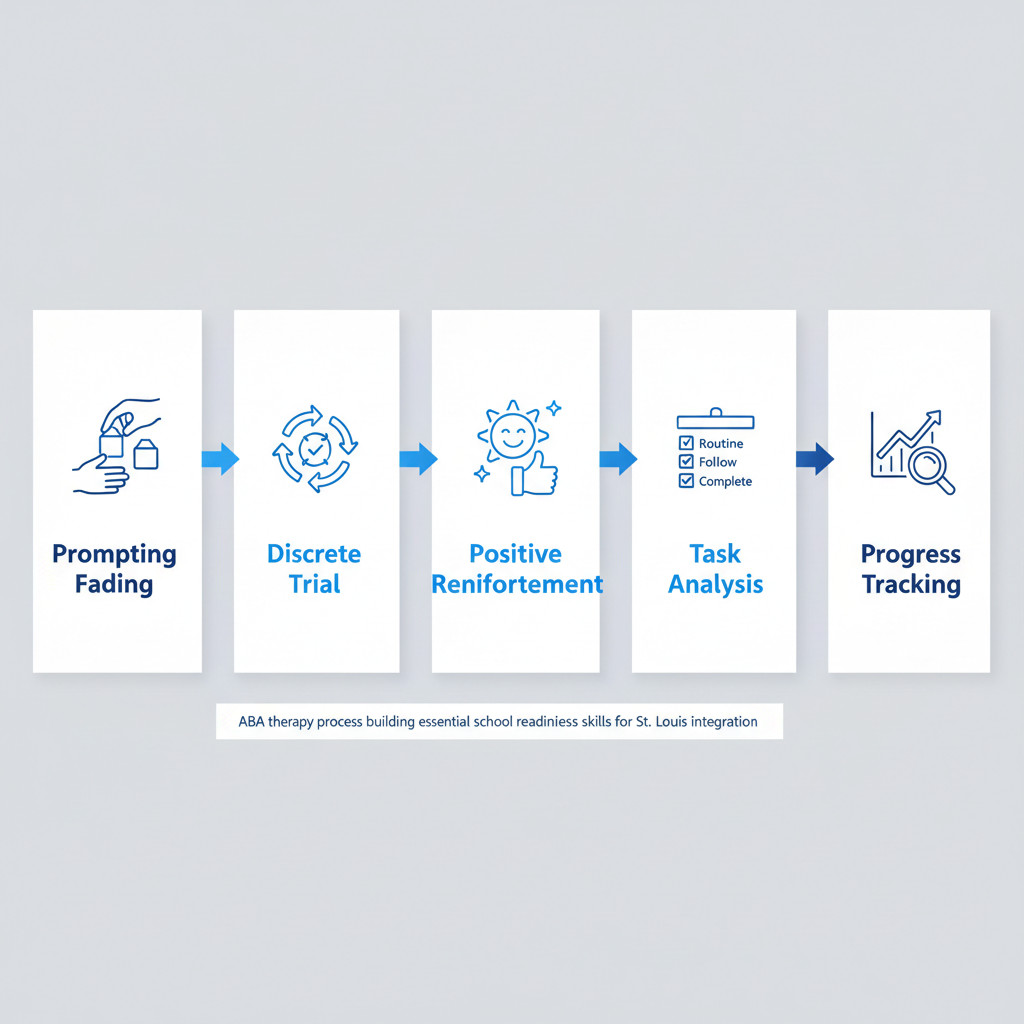
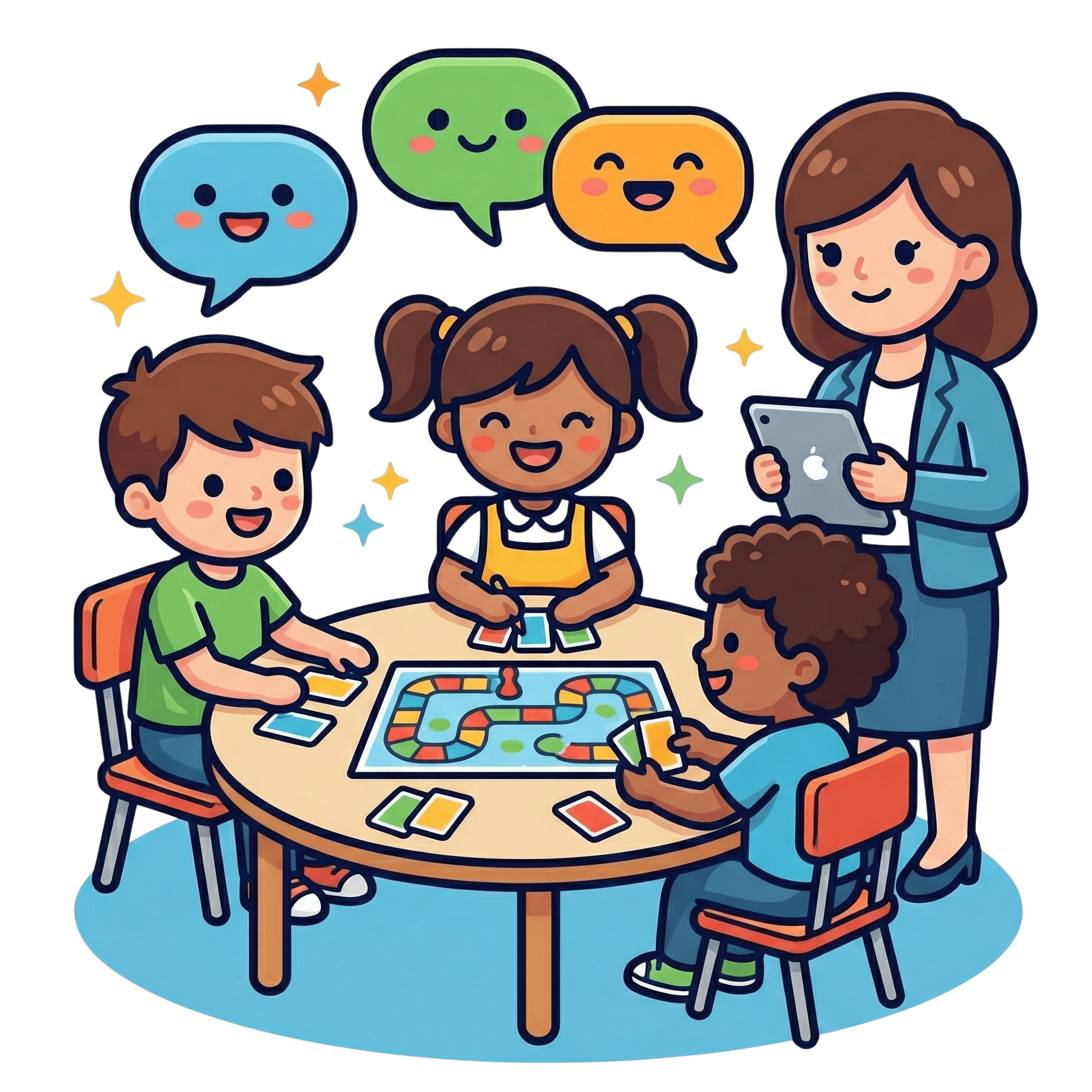
Visual guide to ABA methods enhancing school readiness through key techniques
Building on these foundational techniques, we see how they translate into daily routines, creating a bridge to more independent living.
Structured Approaches to Self-Care and Routines
We employ task analysis and chaining in our in-home sessions to teach self-care skills like dressing or handwashing, vital for school independence. Task analysis breaks skills into small, sequential steps, while chaining links them progressively–forward chaining starts from the beginning, backward from the end. Positive reinforcement rewards each step, building confidence through data collection on mastery levels.
In practice, for toothbrushing: 1. Identify steps like wetting the brush. 2. Prompt and reinforce initial actions. 3. Chain subsequent steps with fading support. 4. Track progress weekly via BCBA reviews. Parent coaching integrates these at home, empowering families with tools from Missouri Family Resources for ongoing support. Adaptations for autism include visual schedules to accommodate sensory preferences.
Our skill acquisition strategies for Missouri schools ensure routines become second nature, supporting smooth daily school starts in St. Louis.
Integrating ABA with School and IEP Support
We collaborate closely with St. Louis educators to align ABA goals with Individualized Education Programs (IEPs), ensuring seamless transitions. This includes sharing progress data and co-developing strategies like social stories for classroom behavior. Our BCBAs attend IEP meetings, advocating for autism therapy for school readiness in St. Louis through evidence-based recommendations.
For enrollment in ABA therapy in St. Louis, families start with our BCBA assessment, followed by insurance verification and a customized plan. We coordinate with schools, quoting Special School District best practices for embedding ABA in educational settings–such as joint goal-setting for communication targets. Parent training reinforces skills, drawing on Missouri Family Resources for family aids like workshops.
This integration fosters care that comes straight from the heart, with weekly updates to track real progress. Results may vary, so we encourage consulting professionals for personalized advice. Early intervention programs for autism in St. Louis, Missouri, like ours, emphasize autism therapy services st louis to bridge home and school effectively.
Best Practices for Choosing and Implementing ABA Therapy in St. Louis
When preparing for school readiness, selecting the right ABA therapy can make a significant difference for children with autism. We recommend focusing on providers who offer hands-on ABA therapy for children who learn differently, ensuring real progress through personalized plans. In the St. Louis area, effective autism support in Missouri starts with thorough evaluation of credentials and ongoing family collaboration.
Evaluating Providers and Credentials
To choose the best ABA therapy in St. Louis, begin by assessing the qualifications of the clinical team. Look for Board Certified Behavior Analysts (BCBAs) who provide direct supervision and maintain appropriate ratios with Registered Behavior Technicians (RBTs), ideally 1:1 for individualized instruction. We suggest verifying certifications through the Behavior Analyst Certification Board and inquiring about experience in autism therapy for school readiness in St. Louis, particularly for preschool-aged children.
Here’s a quick checklist for selecting local behavioral providers:
- Confirm BCBA-led assessments and weekly supervision sessions.
- Ensure RBTs receive ongoing training in play-based techniques.
- Review success stories in social and academic skill-building without expecting guaranteed outcomes–results may vary.
For added support, consider autism counseling for kids st louis as part of a comprehensive approach. This evaluation process empowers families to find care that comes straight from the heart, aligning with your child’s unique needs.
Ensuring Family Involvement and Progress Tracking
Family participation is key to successful ABA therapy. We encourage active involvement through parent coaching sessions, where caregivers learn strategies to reinforce skills at home. Weekly updates from the therapy team help track advancements, fostering real connection between providers and families.
Incorporate tools like the CDC’s Developmental Milestones checklists to monitor progress in areas such as communication and social interaction. For instance, use the Milestone Tracker app to log achievements and identify areas needing focus, promoting early action if delays appear. Align these with your child’s IEP for cohesive support.
Best practices include:
- Attending joint coaching sessions for hands-on guidance.
- Reviewing progress reports regularly to celebrate small wins.
- Participating in social skills groups to build peer interactions.
This collaborative method not only tracks development but also builds confidence, reminding families to consult healthcare professionals for personalized advice.
Navigating Insurance and Local Resources
Accessing ABA therapy in St. Louis often involves understanding insurance coverage. Start by verifying benefits for services like in-home ABA therapy or early intervention for autism in St. Louis–prior authorization may be required, and we assist with Medicaid and private insurer coordination.
Connect with St. Louis Public Schools’ Early Childhood Special Education programs for IEP alignment and additional supports, such as least restrictive environment placements. These local resources enhance therapy by integrating school-based services, ensuring comprehensive care.
Practical steps:
- Contact insurers early to confirm coverage for BCBA supervision and RBT-delivered therapy.
- Explore state early intervention programs for toddlers under 3.
- Leverage community partnerships for free milestone screenings.
By navigating these options thoughtfully, families gain effective autism support in Missouri, emphasizing timely intervention for optimal school readiness. Remember, information here is not a substitute for professional medical advice.
Empowering Your Child’s School Journey with ABA Therapy
As families in St. Louis navigate the path to school readiness, autism therapy for school readiness in St. Louis plays a pivotal role in equipping children with autism for confident starts. Through targeted skill development like communication, social interaction, and daily routines, ABA techniques foster independence and align seamlessly with IEP goals, setting the stage for successful school experiences.
Key takeaways highlight the transformative benefits of ABA therapy. It promotes self-reliance in academic and social settings, reduces challenging behaviors, and ensures smooth transitions into classrooms. When selecting providers, prioritize those with Board Certified Behavior Analysts, evidence-based practices, and family involvement to maximize outcomes for your child.
At Heart Core ABA, we’re committed to delivering hands-on ABA therapy with personalized plans and insurance navigation, making real progress accessible. For reliable aba therapy st louis, we focus on real connections and care that comes straight from the heart.
We’re here to support your family’s journey toward successful school starts for local families and ongoing behavioral support in Missouri. Early intervention for autism in St. Louis can significantly improve outcomes, as noted by the CDC, where timely screening at 18 and 24 months enables prompt support. Connect with Missouri Family Resources for additional networks, empowering your child every step of the way.
Resources
Connect to ABA Therapy Supports via Missouri Family Resources
Track Developmental Milestones with CDC Checklists and Apps
Get Personalized ABA Therapy in St. Louis Special Schools
Implement CDC Autism Screening Guidelines for Early Detection








 At-Home
ABA Therapy
At-Home
ABA Therapy Best
ABA Therapists
Best
ABA Therapists BCBAs
Near Me
BCBAs
Near Me RBTs
Near Me
RBTs
Near Me