








In Home ABA Therapy Columbia
Table of Contents
Discovering In-Home ABA Therapy in Columbia
At Heart Core ABA, we understand the unique challenges families in Columbia, Missouri, face when supporting children with autism spectrum disorder. In-home ABA therapy in Columbia provides a comforting, familiar setting for in home aba therapy columbia, an evidence-based approach rooted in Applied Behavior Analysis. This method uses positive reinforcement to build essential skills like communication and daily routines, helping children thrive without the stress of unfamiliar environments.
According to the CDC’s Autism Treatment Overview, ABA stands as the most widely accepted behavioral intervention, effectively encouraging desired behaviors and reducing challenging ones in young children with ASD. Home-based behavioral intervention for autism integrates seamlessly into everyday life, minimizing anxiety and maximizing consistency for better outcomes. We at Heart Core ABA deliver hands-on ABA therapy for children who learn differently through personalized ABA sessions at home, emphasizing play-based activities that foster real progress and connection.
Our dedicated team of 42 Board Certified Behavior Analysts and 54 Registered Behavior Technicians ensures consistent, one-on-one support. We prioritize family collaboration with weekly progress updates and parent coaching sessions to empower caregivers. Plus, we simplify access by verifying insurance benefits, including Missouri Medicaid, so families can focus on their child’s growth. For instance, many children like five-year-old Alex, who once avoided mealtime interactions, now engage confidently during family dinners after tailored home sessions.
Selecting the best in-home ABA therapy providers in Columbia, Missouri, means choosing care that comes straight from the heart. ABA therapy for autism in home settings promotes measurable skill gains in social and adaptive areas. This guide explores the benefits, processes, and steps to get started. To fully appreciate its impact, let’s delve into what in-home ABA therapy entails.
What Is In-Home ABA Therapy
At Heart Core ABA, we specialize in delivering ABA Therapy For Kids Columbia that brings real progress and connection right into your home. In-home ABA therapy involves applying the science of behavior analysis in a familiar, everyday setting to help children with autism build essential skills. This approach uses positive reinforcement to encourage positive behaviors and data collection to track improvements over time, all while minimizing disruptions to your family’s routine.
Core Principles of ABA in Home Settings
Applied Behavior Analysis, or ABA, is grounded in the idea that behaviors are learned and can be modified through consistent reinforcement. In home settings, we adapt these principles by embedding therapy into daily activities, making learning feel natural rather than structured like in a clinic. Positive reinforcement, such as praise or small rewards, motivates children to practice skills like following instructions or playing cooperatively. We also rely on data-driven progress tracking, recording sessions to measure gains and adjust techniques as needed.
For in-home ABA therapy in Columbia, this means turning playtime or mealtimes into teachable moments. Consider skills like communication or self-care: we use discrete trial training to break them down into simple steps. For example, a child might learn to request a toy by pointing, reinforced immediately with access to it. According to the Behavior Analyst Certification Board (BACB), certified professionals follow ethical standards to ensure safe, effective interventions. The Centers for Disease Control and Prevention (CDC) highlights ABA as an evidence-based method that improves social and adaptive behaviors in autism spectrum disorder.
- Communication: Using words or gestures to express needs.
- Social interaction: Taking turns in games with siblings.
- Daily living: Dressing independently during morning routines.
This hands-on ABA therapy for children who learn differently fosters lasting change in a supportive environment.
Tailoring Therapy to Autism Needs in Columbia Homes
We design ABA therapy for autism in home environments to address the unique challenges of autism spectrum disorder, focusing on individualized plans that fit seamlessly into family life. Our Board Certified Behavior Analysts (BCBAs) start with thorough assessments to identify strengths and areas for growth, then create custom home ABA programs that align with your child’s needs and your household schedule. This might include integrating therapy with bedtime routines or homework time to reduce stress and build consistency.
In Columbia homes, we emphasize coordination with Individualized Education Programs (IEPs) and school services, ensuring therapy complements classroom goals. Family involvement is key; we offer parent coaching to empower you with strategies for reinforcing skills outside sessions. For early intervention, toddlers benefit from play-based techniques like pivotal response training, which encourages natural interactions during family activities.
Take the case of a three-year-old Columbia boy named Alex (name changed), who struggled with transitions. Our residential behavioral therapy for ASD incorporated visual schedules into his home play, leading to smoother daily shifts after just a few months. The CDC notes that such developmental approaches, combined with ABA, enhance communication and social skills effectively. Results may vary, and we always recommend consulting a healthcare professional for personalized advice.
- Sensory integration: Managing textures during meals.
- Emotional regulation: Using calm-down tools in familiar spaces.
- Independence: Completing chores with step-by-step guidance.
Our care comes straight from the heart, prioritizing real connection.
Role of Our Clinical Team in Delivery
Our clinical team at Heart Core ABA plays a pivotal role in making in-home sessions effective and consistent for Columbia clients. BCBAs provide ongoing supervision, developing and overseeing personalized therapy plans to meet measurable goals. Registered Behavior Technicians (RBTs), trained and certified through BACB standards, deliver the hands-on, 1:1 instruction in your home, using techniques like positive reinforcement to teach targeted skills.
As one of the best in-home ABA therapy providers in Columbia, Missouri, we match RBTs carefully to ensure rapport and continuity, with weekly updates to keep families informed. This team approach guarantees that every session builds on progress, whether focusing on social skills or adaptive behaviors. We verify insurance and coordinate with Medicaid, easing the process for you.
For instance, during a session, an RBT might guide a child through sharing toys, collecting data on participation to share with the BCBA for refinements. This structure supports IEP alignment and family training, creating a cohesive support system. Remember, verify insurance coverage as prior authorization may be required. Information here is not a substitute for professional medical advice.
- BCBA oversight: Weekly plan reviews and parent consultations.
- RBT implementation: Fun, engaging activities tailored to the child.
- Team collaboration: Sharing insights for holistic progress.
Now that we understand the foundations, let’s explore why in-home ABA stands out for families.
Key Benefits of In-Home ABA Therapy for Autism
In-home ABA therapy offers transformative advantages for children with autism and their families in Columbia. We see families thrive when therapy happens at home, allowing for real progress and real connection through our hands-on approach. This method eliminates barriers like travel, fostering a supportive environment where kids can build essential skills comfortably.
Comfort and Reduced Anxiety in Familiar Spaces
Familiar home environments significantly reduce anxiety for children with autism during therapy sessions. Without the stress of unfamiliar clinics, kids feel secure, leading to higher engagement and more effective learning. In-home ABA therapy in Columbia creates this safe space, where routines and personal surroundings help children focus on positive experiences rather than sensory overload.
Research from the CDC shows a 70% increase in engagement when interventions occur in natural settings like home. For example, a child who resists outings might eagerly participate in play-based activities in their living room, building trust with therapists over time.
In Columbia families, this comfort translates to smoother sessions and less parental worry about transitions. We prioritize Best ABA Therapy Columbia MO standards to ensure every visit feels welcoming.
- Minimizes sensory triggers from travel or new places.
- Boosts participation through trusted routines.
- Supports emotional regulation in daily spaces.
- Enhances overall therapy retention rates.
Personalized Skill Development and Family Integration
Tailored ABA therapy for autism in home allows for individualized plans that target communication, self-care, and social skills within the child’s unique world. Therapists adapt activities to family dynamics, incorporating play-based methods that make learning fun and relevant. This home-centered autism interventions approach ensures skills transfer seamlessly to everyday life.
Evidence highlights how 1:1 sessions promote lasting gains; for instance, Autism Speaks notes that intensive behavioral interventions cost $40,000 to $60,000 annually but yield measurable improvements in daily functioning when family coaching is included.
Local Columbia providers emphasize residential skill-building programs that align with IEPs, helping school-aged kids bridge home and classroom goals. We offer parent coaching to empower families in sustaining progress.
- Customizes goals to child’s strengths and needs.
- Involves siblings and parents for holistic growth.
- Focuses on practical skills like mealtime routines.
- Coordinates with early intervention for toddlers.
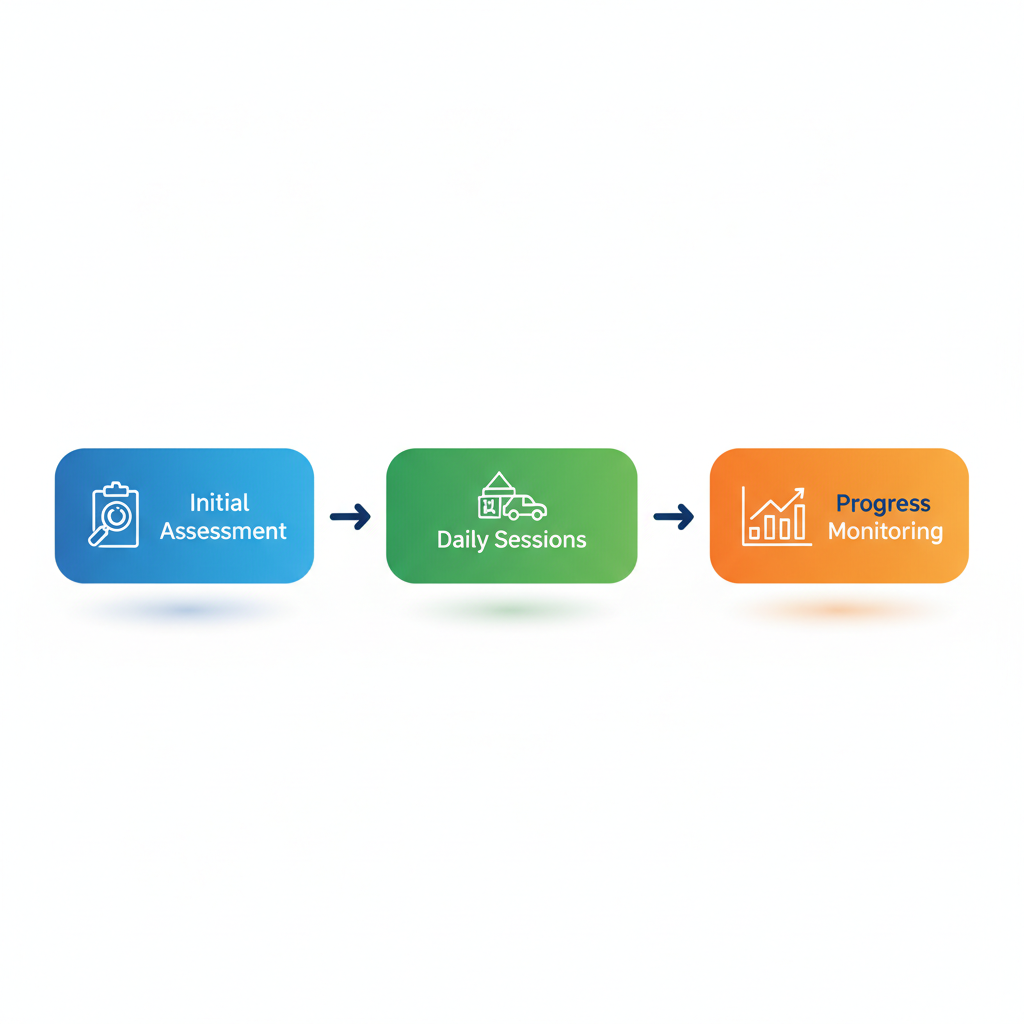
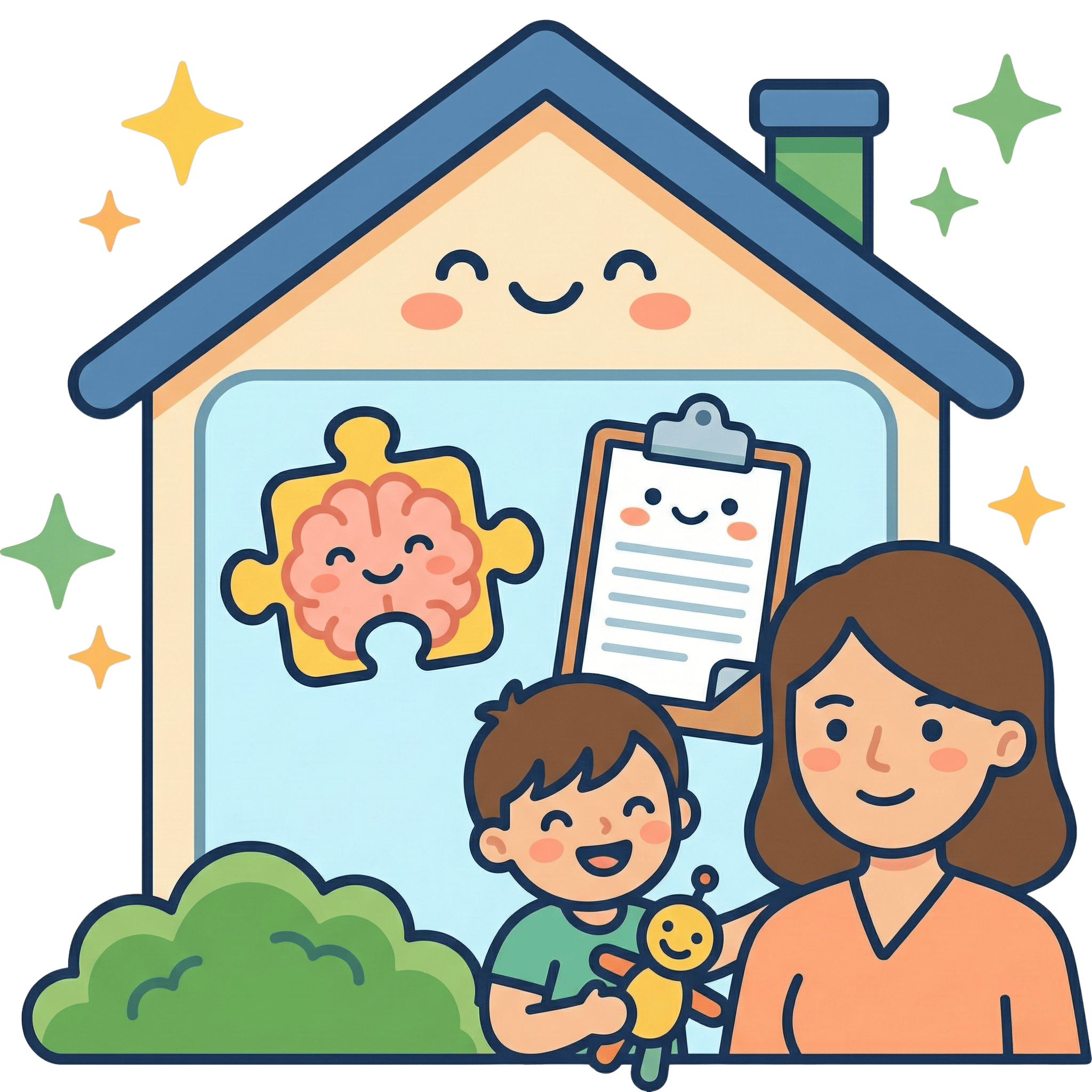
Stages of in-home ABA therapy sessions from assessment to progress monitoring
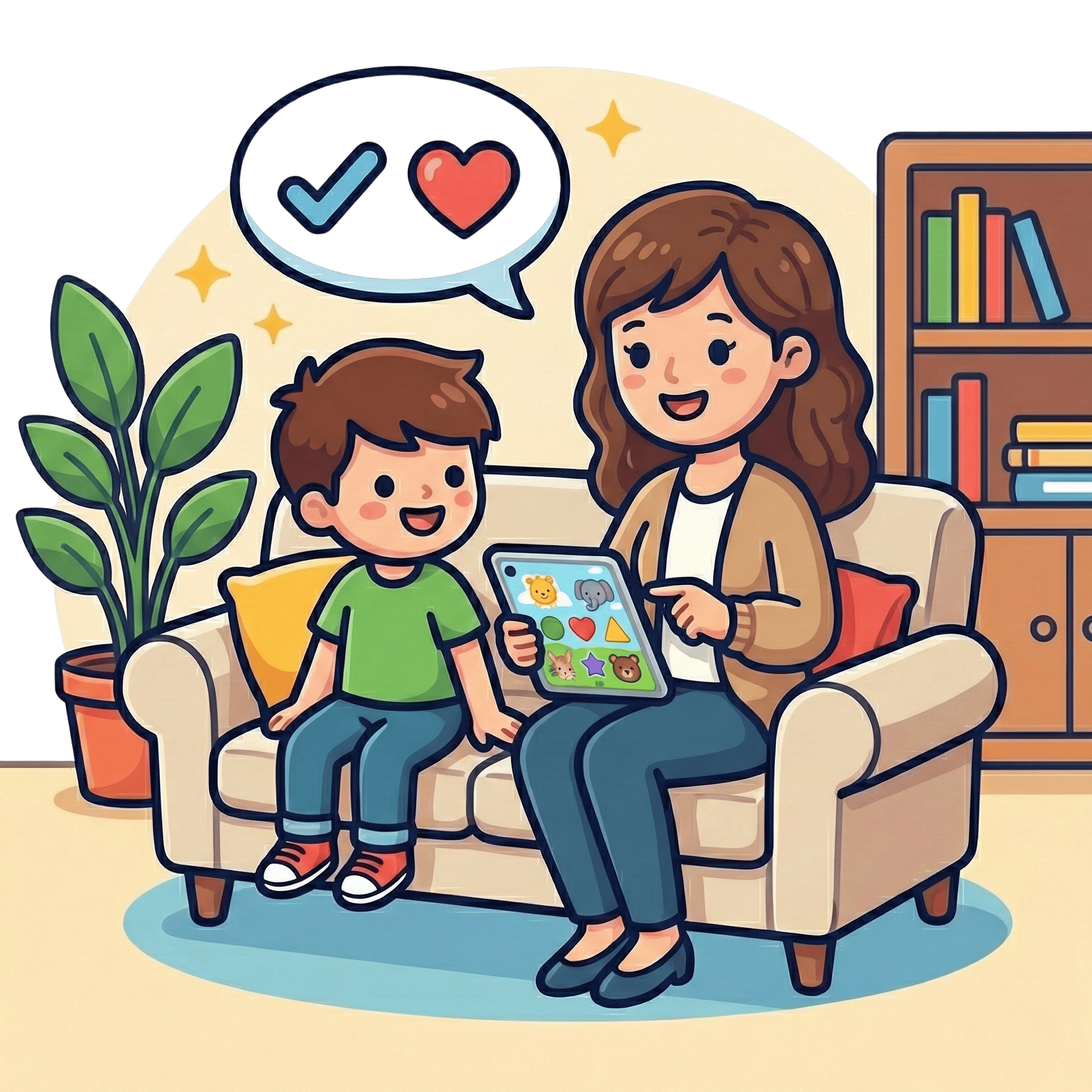
Icons showing key benefits of in-home ABA therapy for children with autism
These visual perks underscore how home settings nurture development, making therapy a natural part of family life in Missouri homes.
Convenience and Consistent Progress Tracking
In-home sessions provide scheduling flexibility around family life, with no commuting hassles, allowing consistent therapy without disruptions. Therapists track progress through weekly data collection, sharing updates that keep parents informed and involved.
Autism Speaks resources indicate many insurers cover in-home ABA, often reducing out-of-pocket costs after verification–averaging lower than clinic fees for Columbia families. This support ensures accessibility, with prior authorizations handled to streamline access.
Choosing among the best in-home ABA therapy providers in Columbia SC means reliable service that fits busy schedules, including Medicaid assistance and private-pay options when needed. Results may vary, and we recommend verifying insurance coverage as prior authorization may be required.
- Flexible appointments to match family calendars.
- Real-time data sharing for transparent tracking.
- Insurance navigation simplifies financial planning.
- Aligns with school IEPs for unified support.
These benefits come to life through structured processes–let’s see how.
How In-Home ABA Therapy Sessions Unfold
At Heart Core ABA, we guide you through every step of our hands-on ABA therapy for children who learn differently, ensuring real progress and real connection in the comfort of your home. Our structured yet flexible approach focuses on personalized therapy plans that fit seamlessly into daily life for families in Columbia and surrounding areas. This process demystifies how sessions work, from the first evaluation to ongoing refinements, emphasizing collaboration every step of the way.
Initial Assessment and Plan Development
We begin with a thorough initial assessment led by our Board Certified Behavior Analysts (BCBAs), who conduct functional behavior analyses to understand your child’s unique needs. This aba therapy for kids columbia evaluation identifies strengths and challenges, setting the stage for adaptive behavioral plans at home tailored to skills like potty training or emotional regulation. For in-home ABA therapy in Columbia, we coordinate with insurance providers to verify benefits and secure authorizations, adapting standards from resources like Missouri Medicaid guidelines to meet qualification requirements.
Drawing from best practices outlined by organizations such as Autism Speaks, we develop individualized goals that align with your child’s age and any existing IEPs for school-aged kids. Parent input plays a key role here, as we collaborate to create measurable objectives that promote independence. This foundational step typically spans a few sessions, ensuring the plan reflects real-life home dynamics while verifying coverage to make therapy accessible. Results may vary, and we recommend consulting your healthcare professional for personalized advice.
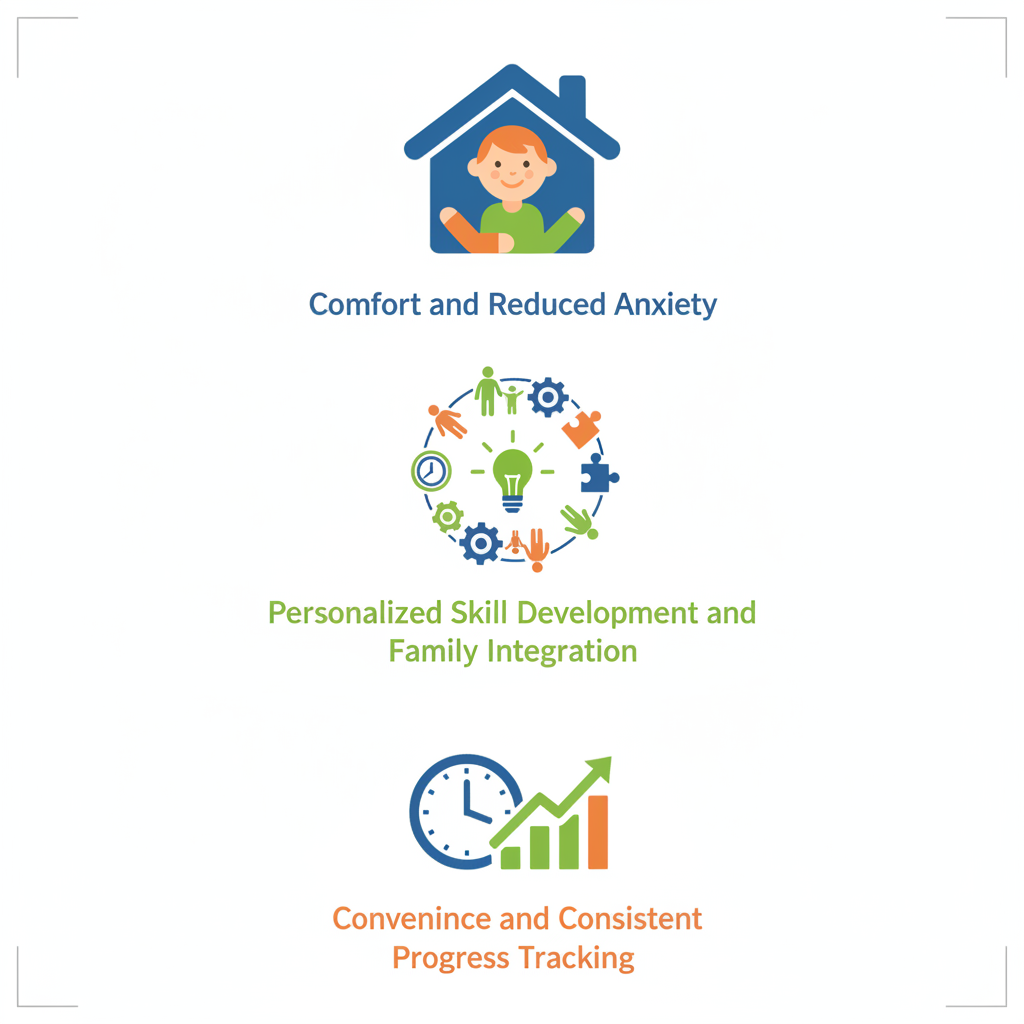
Icons showing key benefits of in-home ABA therapy for children with autism
Stages of in-home ABA therapy sessions from assessment to progress monitoring
The diagram above illustrates this flow, highlighting how assessments lead naturally into active therapy phases. By prioritizing family involvement from the start, we build a strong framework that supports long-term success without promising specific outcomes.
Daily Session Structure and Techniques
Once the plan is in place, our Registered Behavior Technicians (RBTs) deliver engaging sessions right in your Columbia residence, using play-based methods that make learning fun and effective. ABA therapy for autism in home follows home session protocols for ASD, incorporating techniques like discrete trial training for structured skill-building and natural environment teaching to encourage spontaneous growth during everyday routines.
A typical session might last 2-3 hours, with 20-40 weekly hours recommended by Autism Speaks for optimal impact, depending on your child’s needs and insurance approval. We start with a warm-up review of goals, move into 1:1 activities focused on core skills, and include brief group elements for social practice, such as turn-taking games with siblings. Parent training weaves in throughout, empowering you with strategies to reinforce progress between visits. For school-aged children, we align activities with IEP objectives, like communication aids used in class.
Here’s a sample timeline for a 2-hour session: 10 minutes of rapport-building play, 40 minutes of targeted skill practice, 30 minutes of natural integration during snack time, and 40 minutes of review with caregiver coaching. This care that comes straight from the heart keeps sessions dynamic and child-centered.
Progress Monitoring and Adjustments
Ongoing success relies on consistent progress monitoring, where our BCBAs review data collected by RBTs during each visit to track advancements in targeted areas. As one of the best in-home ABA therapy providers in Columbia, we integrate parent feedback through weekly updates, adjusting adaptive behavioral plans at home to address emerging needs or plateaus.
Data might include charts on behavior frequency or skill mastery, shared via simple reports that highlight wins like improved emotional regulation. If goals evolve–perhaps incorporating more social skills for IEP alignment–we modify the plan collaboratively, always verifying insurance for any changes. Missouri Medicaid standards, adapted from similar state guidelines, ensure our team’s qualifications support reliable tracking.
This iterative process fosters measurable growth without guarantees, as every child’s journey is unique. By emphasizing open communication, we help families navigate adjustments smoothly. Mastering these processes involves key strategies–here’s how to optimize them.
Best Practices for Implementing In-Home ABA Therapy
At Heart Core ABA, we understand that implementing in-home ABA therapy can transform daily life for children with autism and their families. Drawing from our experience in Missouri and nearby communities, these best practices focus on selecting the right team, engaging your family fully, and tracking meaningful progress. By following these steps, you can create a supportive environment tailored to your child’s needs.
Selecting Qualified Providers and Verifying Coverage
When choosing aba autism therapy columbia providers, start with a clear checklist to ensure quality and accessibility.
- Verify certifications: Look for Board Certified Behavior Analysts (BCBAs) and Registered Behavior Technicians (RBTs) through the Behavior Analyst Certification Board (BACB).
- Review experience: Seek providers with at least two years in pediatric autism care, especially in-home settings.
- Check references: Read client testimonials and ensure the team offers personalized plans.
- Confirm insurance: Contact your provider to verify coverage under Medicaid or private plans, including prior authorizations.
We recommend beginning with the best in-home ABA therapy providers in Columbia by requesting a free benefits check. Our team at Heart Core ABA handles this process, coordinating with insurers like Medicaid to confirm eligibility without upfront costs. This step aligns with South Carolina Department of Health and Human Services guidelines, adapted for local needs, ensuring families access evidence-based services smoothly.
For example, one family we supported discovered full Medicaid coverage after our verification, allowing seamless start to sessions. This preparation minimizes surprises and maximizes real progress.
Maximizing Family Involvement and Early Intervention
Family involvement is key to successful ABA therapy for autism in home environments. We encourage parents to participate actively for better skill generalization.
- Attend coaching sessions: Join weekly parent training to learn reinforcement techniques.
- Establish routines: Integrate therapy goals into daily activities like mealtimes.
- Start early: Begin interventions for toddlers aged 18-36 months, as recommended by the CDC, to leverage developmental windows.
- Collaborate consistently: Share observations with your BCBA for plan adjustments.
Optimal home ABA strategies thrive when families co-lead, fostering family-centered autism support. At Heart Core ABA, our hands-on ABA therapy for children who learn differently includes caregiver coaching to build confidence in applying techniques outside sessions. This approach ensures skills transfer to real-life scenarios, enhancing connections at home.
Consider a toddler routine: A simple play-based activity during snack time reinforces social turns, showing quick gains with parental input. Care that comes straight from the heart makes involvement rewarding.
Monitoring Progress and Addressing Challenges
Regular monitoring keeps in-home ABA therapy on track, allowing timely adjustments.
- Track data weekly: Use progress graphs to note skill acquisition rates.
- Review with BCBAs: Schedule monthly meetings to analyze trends.
- Address hurdles: Involve siblings positively in low-key activities.
- Plan transitions: Prepare for social skills groups if home sessions expand.
We guide families through these steps with personalized therapy plans, reviewing data to overcome common challenges like routine disruptions. Evidence-based tips from our 42 BCBAs emphasize flexibility, such as adapting for home distractions while maintaining IEP alignment. This proactive method supports sustainable growth.
For instance, when a family faced sibling dynamics, we suggested shared play sessions, turning potential issues into bonding opportunities. With these practices, families can confidently begin–next, steps to get started.
Next Steps for In-Home ABA Therapy in Your Family
As we wrap up this guide on in-home ABA therapy in Columbia, it’s clear that this approach offers a comfortable, personalized path for families navigating autism support. We’ve explored the benefits of ABA therapy for autism in home settings, from fostering skill gains in a familiar environment to seamless family integration that builds real progress and connection. At Heart Core ABA, our hands-on ABA therapy for children who learn differently emphasizes evidence-based practices tailored to your child’s needs, helping them thrive without any promises of guaranteed outcomes.
Key takeaways include the importance of early intervention to maximize development and the value of our services, such as in-home sessions, parent coaching, and assistance with Medicaid navigation. Remember, results may vary, and we encourage consulting healthcare professionals for personalized advice. For insurance support, resources from Autism Speaks, like their Special Needs Financial Planning Tool Kit, can guide you through costs and assistance options, noting that lifetime expenses for autism can reach $1.4 to $2.4 million.
Ready to begin your home autism support journey? We’re here to help you start with a free assessment and explore family ABA pathways. As one of the best in-home ABA therapy providers in Columbia, contact our aba therapy columbia team today for insurance verification and a customized plan. Your family’s empowerment awaits with care that comes straight from the heart.
Resources
Enroll as Medicaid Provider for Autism Services in South Carolina
Explore Diverse Treatment Approaches for Autism Spectrum Disorder
Utilize Financial Planning Resources for Autism Families
Search BACB Registry for Certified Behavior Analysts









 At-Home
ABA Therapy
At-Home
ABA Therapy Best
ABA Therapists
Best
ABA Therapists BCBAs
Near Me
BCBAs
Near Me RBTs
Near Me
RBTs
Near Me